Human intent comes first
People remain at the center. We explore how AI software and hardware can support the actions they want to take.
HUMAN-CENTERED AI · ZURICH, SWITZERLAND
We connect human intent with intelligent technology, opening new possibilities for people with disabilities.
Working prototype · Next chapter in development
 Product concept
01 / THE REASON WE EXIST
NEXTSYNAPSE is a Swiss AI startup with an international team. Our ambition goes beyond one device: to build human-centered assistive technology that supports independence, dignity and everyday possibilities.
People remain at the center. We explore how AI software and hardware can support the actions they want to take.
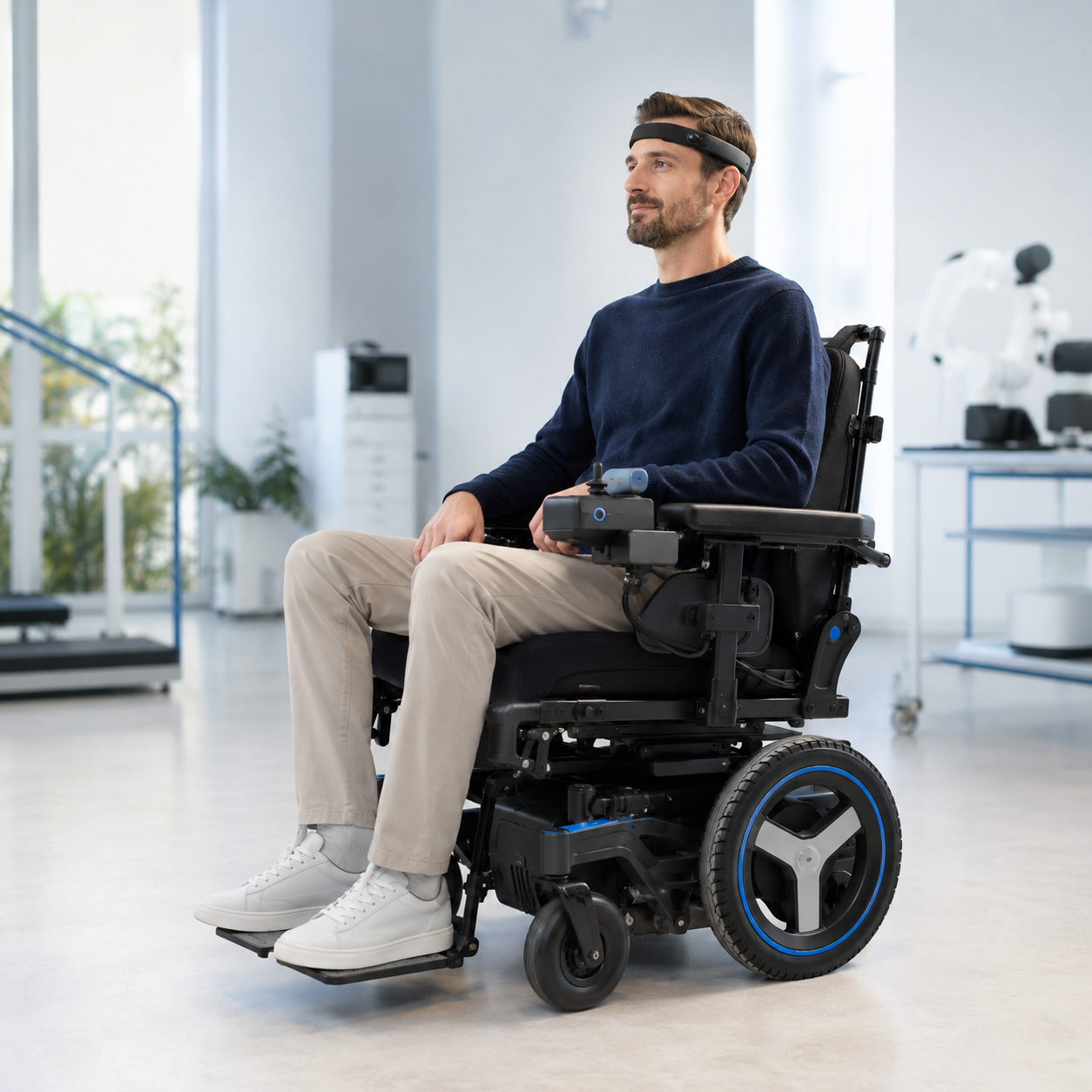
Our first application is a brain-computer interface for wheelchair control, bringing the broader vision into a concrete prototype.
The project grows from lived experience, independent learning and a shared commitment to more accessible technology.
02 / TECHNOLOGY IN PRACTICE
Our first project explores translating non-invasive EEG signals into wheelchair control commands. A functional prototype gives us a foundation for the next stage.
THE DEVELOPMENT APPROACH
A non-invasive EEG interface measures brain activity as an input for the control system.
Machine learning explores how those signals can be translated into directional commands.
Wheelchair control is the first application. Shared control, safety supervision and user validation are priorities in the proposed productization plan.
The system is a development prototype. The next phase focuses on integration, safety evidence and validation with users.
03 / A PERSONAL BEGINNING
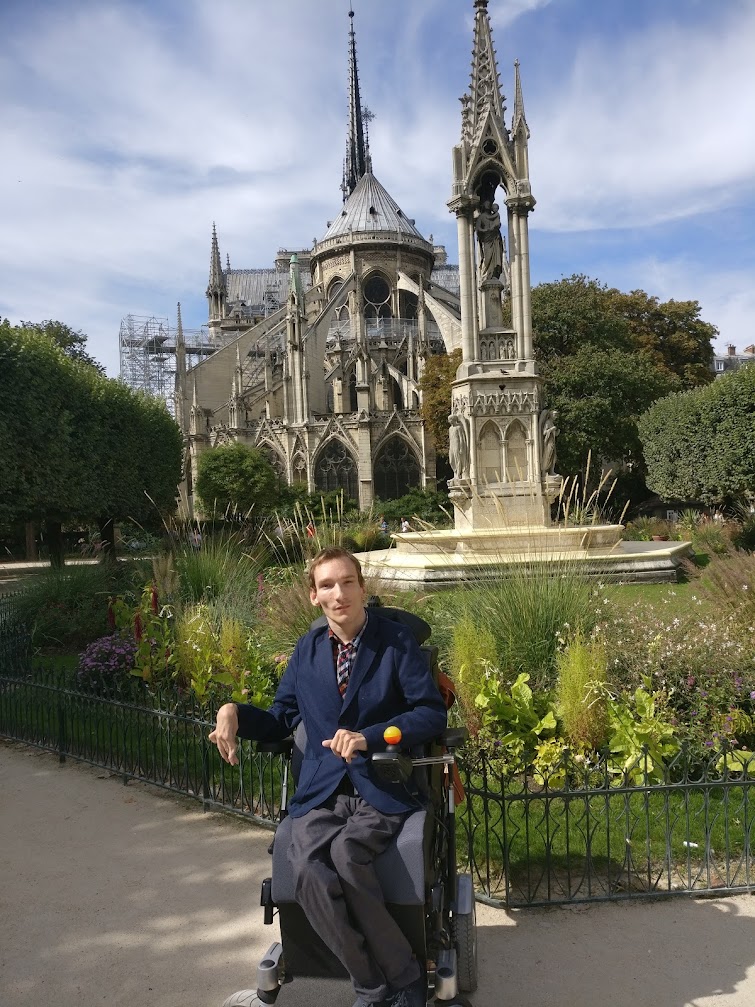
NEXTSYNAPSE began with Mateusz Zatylny's experience of living with dystonia and a conviction that technology can open new possibilities.
When health challenges interrupted his biology studies, he continued learning independently. In 2020, a Facebook competition funded his AI courses. An idea emerged: classify brain signals and turn them into directional commands.
That idea brought together an international team. With their own funds, they developed a functional prototype translating brain activity into commands for assistive technology. In 2024, Mateusz began studying Computer Science through the University of London's online programme, specialising in AI and Machine Learning.
THE JOURNEY SO FAR
Mateusz moves to Switzerland to study biology.
Facebook-funded AI courses lead to exploring brain signals as directional commands.
An international team comes together around assistive technology.
Mateusz starts online Computer Science studies at the University of London.
The team develops a functional prototype using its own funds.
Seeking the partners and capital for a staged productization programme.
04 / PEOPLE BEHIND THE PURPOSE
An international founding team brings together lived experience, AI, robotics, hardware and neurotechnology.
Co-founder & CEO
Product direction, AI and accessibility.
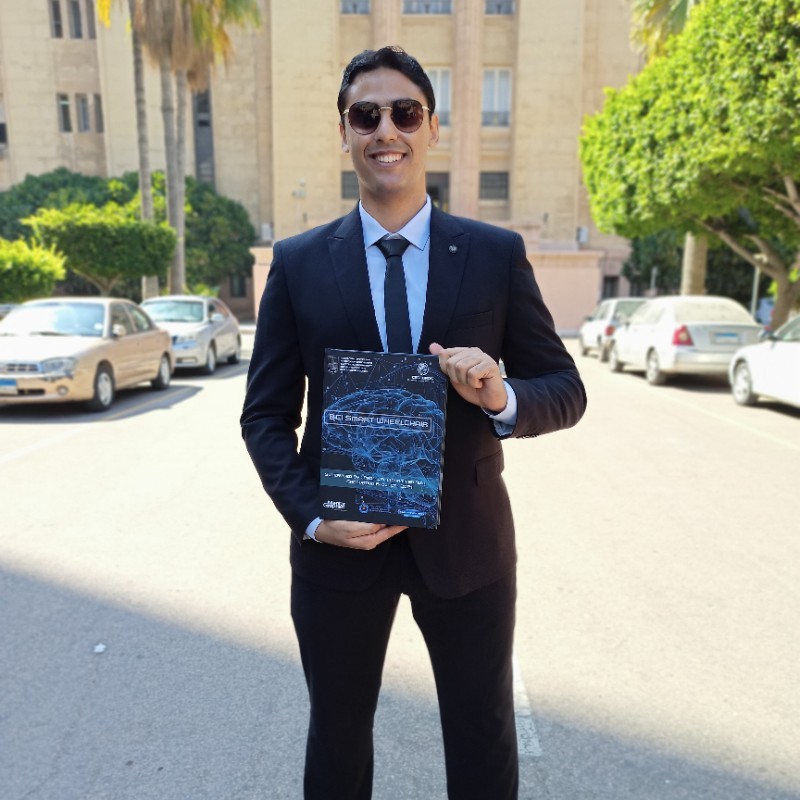
Co-founder & CTO
Brain-computer interfaces and robotics.

Co-founder & CIO
Machine learning and applied AI.

Co-founder · Hardware
Hardware design, integration and prototyping.

Scientific Advisor
Neurotechnology and signal processing.
05 / THE NEXT CHAPTER
Our proposed productization programme is designed around clear milestones: definition, integration, user evidence and a controlled design freeze.
PROPOSED ROADMAP · AFTER FUNDING
Establish intended use, user needs, system requirements and the regulatory route. Define the safety and evidence plan.
A focused product definition.
Planned allocationCHF 150kThese are planning targets. Timing and scope depend on funding, classification, validation and partner agreements.
LET'S BUILD WHAT COMES NEXT
We welcome conversations with researchers, wheelchair platform partners and investors who share our ambition for human-centered assistive technology.